Passionate about your well-being

A Canadian company

OPEN HOUSE - Sunday, September 21st from 1-4PM

How do I know when my loved one needs to think about retirement living?

It may be time to consider retirement living if you or a loved one struggles with daily tasks, socializing, cognitive changes, or caregiver burnout, affecting overall well-being.

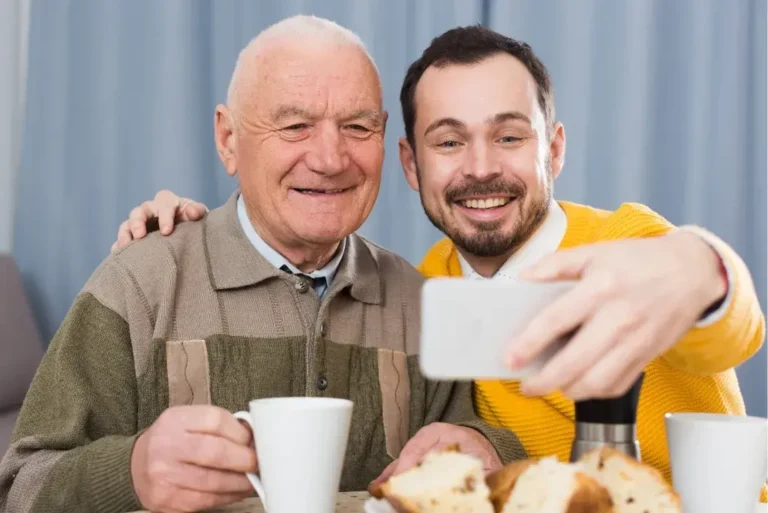
An adult son in a yellow sweater and his elderly father sitting at a table sharing a cake, laughing and taking a selfie with a smartphone, symbolizing family well-being and emotional connection in a domestic setting in Canada.

You want what’s best for the ones you love, which is why it can be hard to decide it’s no longer the best option for them to remain at home. In this resource, we’ll go over some warning signs it’s time to make a move and some of the unexpected benefits to life in a retirement home.

Some key signs that it’s time for a change:

  • If your loved one showers less often, changes clothes less frequently, or doesn’t seem as well kept as usual
  • You notice your loved one has lost weight, no longer cooks, or finds daily tasks overwhelming
  • You have safety concerns, such as the stove being left on, your loved one forgetting where they are, wandering, or having unexplained bruises
  • If the primary caregiver is beginning to feel the effects of burnout

The general advice is that it is better to move before a crisis hits. Having your loved one move into a new residence can feel like a big change. But moving early can help them to form stronger connections with staff and fellow residents, providing a better experience for everyone.

According to the Alzheimer’s Society of Canada, “When you are a full-time caregiver, it can be hard to have the energy to always give ‘quality time’ to the person if you are exhausted and stressed.”

Peace of Mind For You, More Confidence For Them

Many families resist the idea of moving their loved ones to a retirement home, but the truth is that quality of life and independence can actually improve in these environments. In retirement communities, residents benefit from regular social activities with peers, decreasing their feelings of isolation. They also receive the support they need to continue to enjoy the things they love, including going out to meet friends and joining in on events, outings, and social activities.

Retirement communities also give families and friends permission to move out of the role of caregiver and back into their original role of friend, daughter, or son. When most of the care is provided externally, residents’ loved ones are given the freedom to return to a less stressful relationship that’s closer to the one they previously enjoyed.

Looking for a Retirement Community?

We are here to help you every step of the way. Explore our locations and discover the perfect environment for your loved one.

Frequently Asked Questions

Yes. If you or a loved one is already receiving homecare, such as PSW support, at home, those services usually continue seamlessly when they move into a retirement community.

Sometimes these conversations are less difficult than you think they will be. Often, your loved one may also be thinking it could be time for them to consider community living. It’s important to remember that this is a conversation, not a time to force decisions. If your loved one has certain concerns around retirement living, reach out to a community near you and ask them for an answer. They would also be happy to help coach you through how to speak with your loved one.


If you’re experiencing burnout, consider a short-term or respite stay at a retirement community for your loved one. Ranging from a few weeks to a few months, it could be the perfect amount of time for you to recharge your batteries and for your loved one to discover that retirement living is an enjoyable experience that adds to their lifestyle.